

You know how two products can both promise brighter skin, yet ask completely different things of your routine? That is the key distinction in this RoC Dark Spot Treatment versus Olay Regenerist Dark Spot Treatment review: RoC Retinol Correxion Deep Wrinkle Night Cream is a retinol-based night cream, while Olay Regenerist Whip Face Moisturizer Fragrance-Free is a lightweight daily moisturiser built around niacinamide, peptides and hydration.
Neither is a dedicated prescription pigment treatment, but both can support a plan for uneven skin tone. The bigger deal is how well your skin can tolerate the formula long enough to see a change.
I will compare the ingredient lists, texture, routine fit, realistic results and side effects, then make the choice clear for stubborn dark spots, dry skin, oily skin and sensitive skin.
Key Takeaways
- RoC Retinol Correxion Deep Wrinkle Night Cream combines retinol with glycolic acid and ascorbic acid. It is the stronger anti-ageing option for fine lines, rough skin texture and post-acne marks, but it carries a higher irritation risk.
- Olay Regenerist Whip Face Moisturizer Fragrance-Free uses niacinamide, palmitoyl pentapeptide-4, glycerin, panthenol and sodium hyaluronate. It is the easier daily choice if hydration and barrier repair come first.
- RoC contains fragrance, while this Olay Whip version is fragrance-free. That alone can matter if your skin reacts easily or you have eczema, rosacea or contact dermatitis.
- Use RoC at night and introduce it slowly. Use Olay in the morning or evening, then apply broad-spectrum sunscreen with SPF 30 or higher every morning.
- Choose RoC if your main goal is smoother skin texture and a more active anti-ageing step. Choose Olay if you want gentle brightening and a light moisturiser that layers neatly under sunscreen and makeup.
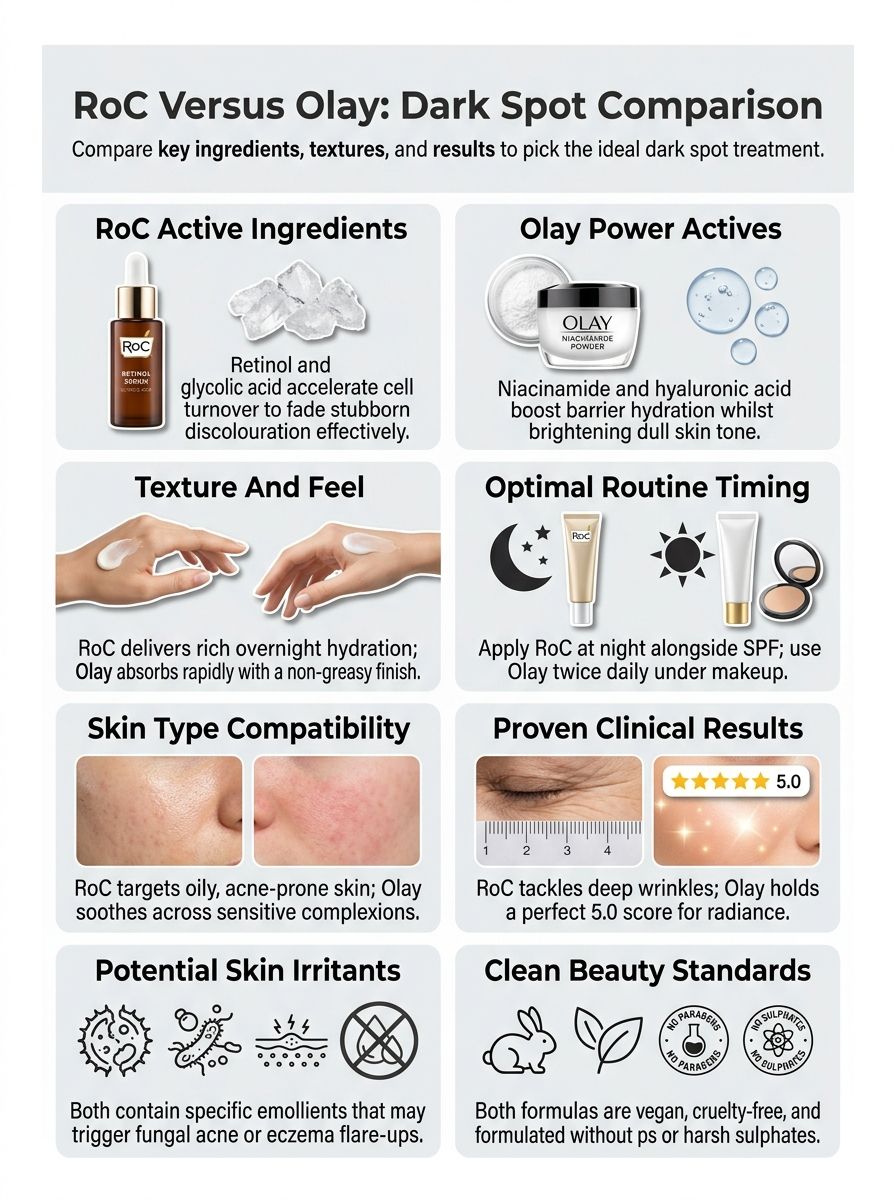
Product Overview: RoC Dark Spot Treatment and Olay Regenerist
These products are often compared as dark spot treatments, but they sit in different skincare lanes. RoC is a treatment-style night cream with retinol and glycolic acid, while Olay Regenerist Whip is primarily a hydrating moisturiser with brightening support from niacinamide.
That means the better pick depends less on marketing and more on what your skin needs right now. If irritation has been leaving marks behind, a gentler barrier-focused product may serve you better than a stronger exfoliating routine.
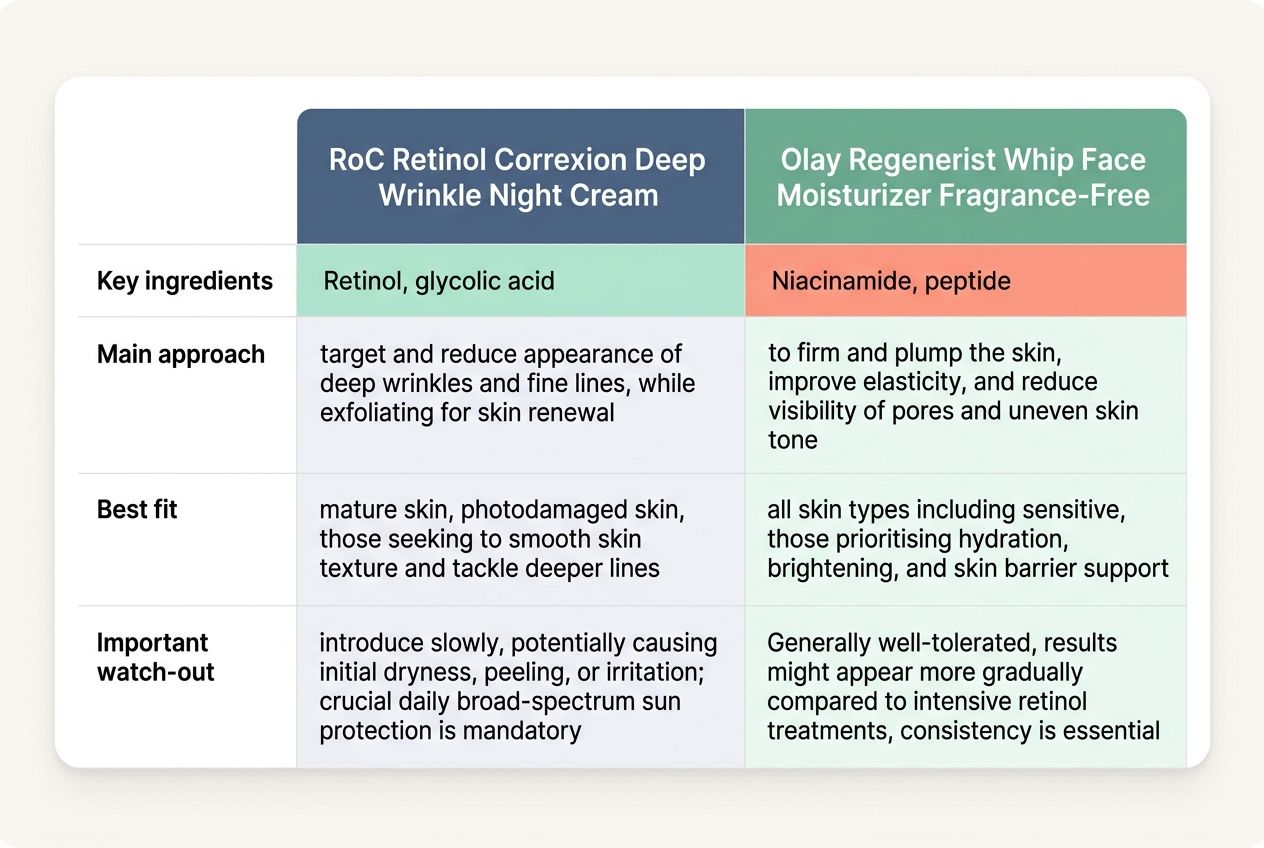
| Product | Main approach | Best fit | Important watch-out |
|---|---|---|---|
| RoC Retinol Correxion Deep Wrinkle Night Cream | Retinol, glycolic acid and antioxidants support skin renewal and smoother texture. | Normal, combination or oily skin with fine lines, uneven texture or lingering acne marks. | Contains fragrance and several active ingredients that can cause dryness, stinging or peeling. |
| Olay Regenerist Whip Face Moisturizer Fragrance-Free | Niacinamide, peptide, glycerin, panthenol and sodium hyaluronate support hydration and barrier comfort. | Combination, oily or easily dehydrated skin that needs a simple daily moisturiser. | Its brightening effect is usually more gradual than a retinoid-led routine. |
RoC Dark Spot Treatment
RoC Retinol Correxion Deep Wrinkle Night Cream contains retinol, glycolic acid, ascorbic acid, glycerin, dimethicone, squalane, zinc gluconate and copper gluconate. Retinol is a vitamin A derivative that encourages skin-cell turnover, while glycolic acid is an alpha-hydroxy acid that loosens dull surface cells.
This is why RoC can be useful when dark spots arrive with rough texture, clogged-looking pores or fine lines. It is doing more than moisturising, so it also demands more care from the rest of your routine.
RoC lists this as a night cream, and that matters. The American Academy of Dermatology advises using retinoids at night and protecting skin from daylight with sun protection, because irritation and ultraviolet exposure can both make uneven tone harder to manage.
Olay Regenerist Dark Spot Treatment
Olay Regenerist Whip Face Moisturizer Fragrance-Free is a light cream that changes into a thin, smooth layer as you spread it. Its current ingredient list includes niacinamide, glycerin, panthenol, palmitoyl pentapeptide-4, sodium hyaluronate and dimethicone.
Niacinamide is vitamin B3. It supports the skin barrier and can help improve the look of uneven tone, while glycerin and sodium hyaluronate draw water into the outer layer of skin.
The peptide is there for anti-ageing support, not as a fast pigment-fading active. Think of Olay as a dependable moisturiser that helps skin look calmer, smoother and more even with steady use.

For dark spots, consistency beats intensity. A product you can use comfortably for months is usually more useful than a strong formula you stop after two weeks.
Key Ingredients Comparison
The ingredient lists explain the difference in results and side effects. RoC asks your skin to renew itself faster, while Olay concentrates on hydration, comfort and steady brightening.
Active Ingredients in RoC
Retinol is the centrepiece of RoC Retinol Correxion Deep Wrinkle Night Cream. It can improve the appearance of fine lines, mild pigmentation irregularities and skin texture, but it often causes an adjustment period marked by dryness or flaking.
RoC also includes glycolic acid in the same formula. Glycolic acid can help lift dull-looking surface cells, which is useful for uneven skin tone, but pairing it with retinol can feel too active for sensitive skin.
- Retinol: supports smoother skin texture and softer-looking fine lines over time.
- Glycolic acid: exfoliates the surface of the skin, which can help dark marks look less obvious.
- Ascorbic acid: is a form of vitamin C that provides antioxidant support.
- Glycerin, squalane and dimethicone: add moisture and slip, helping offset some dryness from the active ingredients.
A practical point often missed is that RoC does not disclose the retinol percentage on its product page. Treat it as a real retinol product, start with two non-consecutive nights a week, and increase only if your skin stays comfortable.
Active Ingredients in Olay
Olay Regenerist Whip does not contain retinol or glycolic acid. Its formula is less about rapid turnover and more about supporting the skin barrier so your complexion looks less dry, rough and uneven.
A 2024 clinical review of over-the-counter hyperpigmentation treatments highlighted evidence for topical niacinamide, including a study in which a 4% niacinamide product improved hyperpigmentation after nine weeks. Olay does not state its niacinamide percentage, so view it as a gentle long-game product rather than a measured clinical equivalent.

- Niacinamide: supports barrier repair and helps improve the look of dullness and uneven tone.
- Palmitoyl pentapeptide-4: is a signal peptide used to support a firmer, smoother appearance.
- Glycerin and sodium hyaluronate: help pull moisture into the skin, which can make fine dehydration lines look softer.
- Panthenol: adds a soothing, conditioning element that suits a hydration-focused routine.
Benefits of Each Product
Both products can make dark spots less noticeable, but they take different routes. RoC offers a more active treatment path, while Olay makes it easier to maintain hydration and a stable routine.
RoC: Targeted Skin Improvements
RoC is the stronger option if dark spots sit alongside fine lines, rough patches or post-acne texture. Retinol works over time, and glycolic acid can help the surface of the skin look brighter and more polished.
The trade-off is that stronger activity can trigger redness, burning or flaking. If irritation leads to more dark marks on your skin, pushing through is not productive.
Use a pea-sized amount on fully dry skin after cleansing. Follow with a bland moisturiser if you feel dry, and keep exfoliating toners, facial scrubs and strong acne-fighting products out of the same evening routine.
Olay: Skin Brightening and Hydration
Olay is a better fit if your face feels tight after cleansing, your makeup catches on dry patches, or retinoid products have left you irritated in the past. Its humectants, meaning water-binding ingredients, give it a clear hydration advantage over RoC.
The Whip texture also works well for people who dislike rich creams. It has a soft, powdery finish that can feel more comfortable on combination or oily skin during the day.
Use it after a serum if you already have one, or use it alone after cleansing for a simpler routine. If your skin is very dry, add a richer fragrance-free cream at night rather than applying more and more active products.
Side-by-Side Comparison
Here is the practical decision: RoC has more potential to change texture and fine lines, while Olay is more forgiving and easier to use every day. Your tolerance level should decide the winner.
Texture and Application
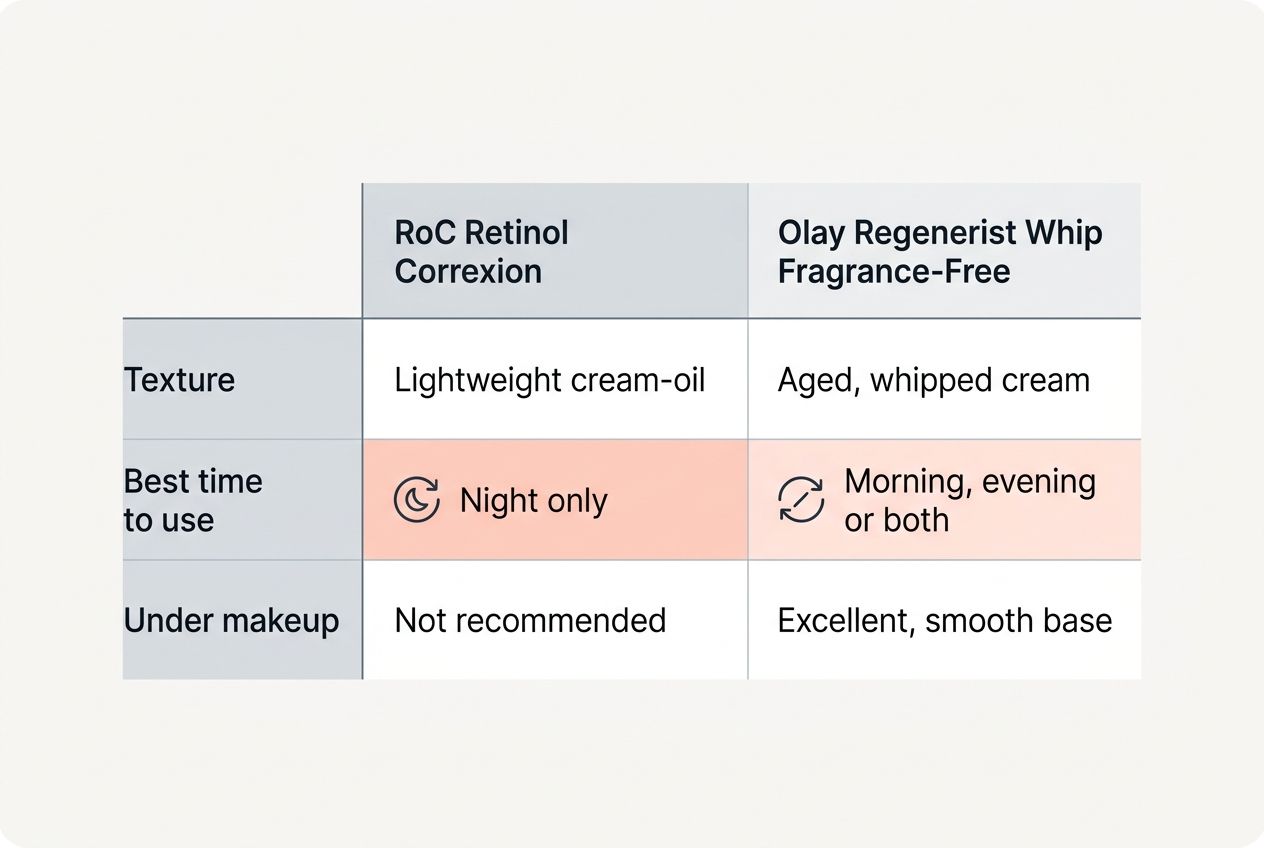
| Feature | RoC Retinol Correxion | Olay Regenerist Whip Fragrance-Free |
|---|---|---|
| Texture | Traditional creamy night moisturiser with a richer feel. | Lightweight whipped cream with a quick-drying, matte feel. |
| Best time to use | Night only. | Morning, evening or both. |
| Under makeup | Usually better saved for the evening. | Generally layers well under sunscreen and makeup. |
| Fragrance | Contains fragrance ingredients. | Fragrance-free version. |
| Skin concern focus | Fine lines, rough skin texture and uneven tone. | Dehydration, barrier support and mild dullness. |
Routine Suitability
Start RoC on two nights a week, with at least one recovery night between applications. If your skin stays calm after two to three weeks, move to every other night.
Olay can be used twice daily if it suits your skin. In the morning, apply it before broad-spectrum sunscreen, and at night use it after any gentle serum you tolerate well.</p
- For a basic RoC evening: gentle cleanser, RoC, then moisturiser if needed.
- For a basic Olay morning: gentle cleanser, Olay, then sunscreen.
- For a simple recovery night: gentle cleanser and Olay or another plain moisturiser.
- For acne fighting: do not add adapalene, tretinoin or tazarotene on the same night as RoC without advice from a dermatologist.
Results and Effectiveness
Neither product will erase dark spots overnight. Dark marks need time, and the result depends on the cause, your skin tone, irritation level and how consistently you protect your skin from sunlight.
Clinical Results for RoC
RoC markets its Deep Wrinkle Night Cream for visible wrinkles rather than as a dedicated dark spot treatment. Its ingredient list supports the expectation of smoother-looking skin and gradual brightening, but the brand does not publish a dark-spot result figure for this exact product.
That distinction matters. Do not rely on made-up percentages, unverified home-use panels or dramatic before-and-after claims when you choose a treatment.
If you tolerate it, assess RoC after eight to twelve weeks using photos taken in the same place and lighting. Look for a steadier skin texture, fewer dry rough patches and a gradual softening of marks, rather than daily changes in the mirror.
Clinical Results for Olay
Olay positions Regenerist Whip as a moisturiser that helps improve the look of firmness, fine lines and smoothness. Its niacinamide-based formula can support brighter-looking skin, but it is not a high-strength pigment treatment.
Expect the first change to be hydration. Skin may feel softer and look less dull within days, while visible improvement in uneven skin tone often takes several weeks of daily use.
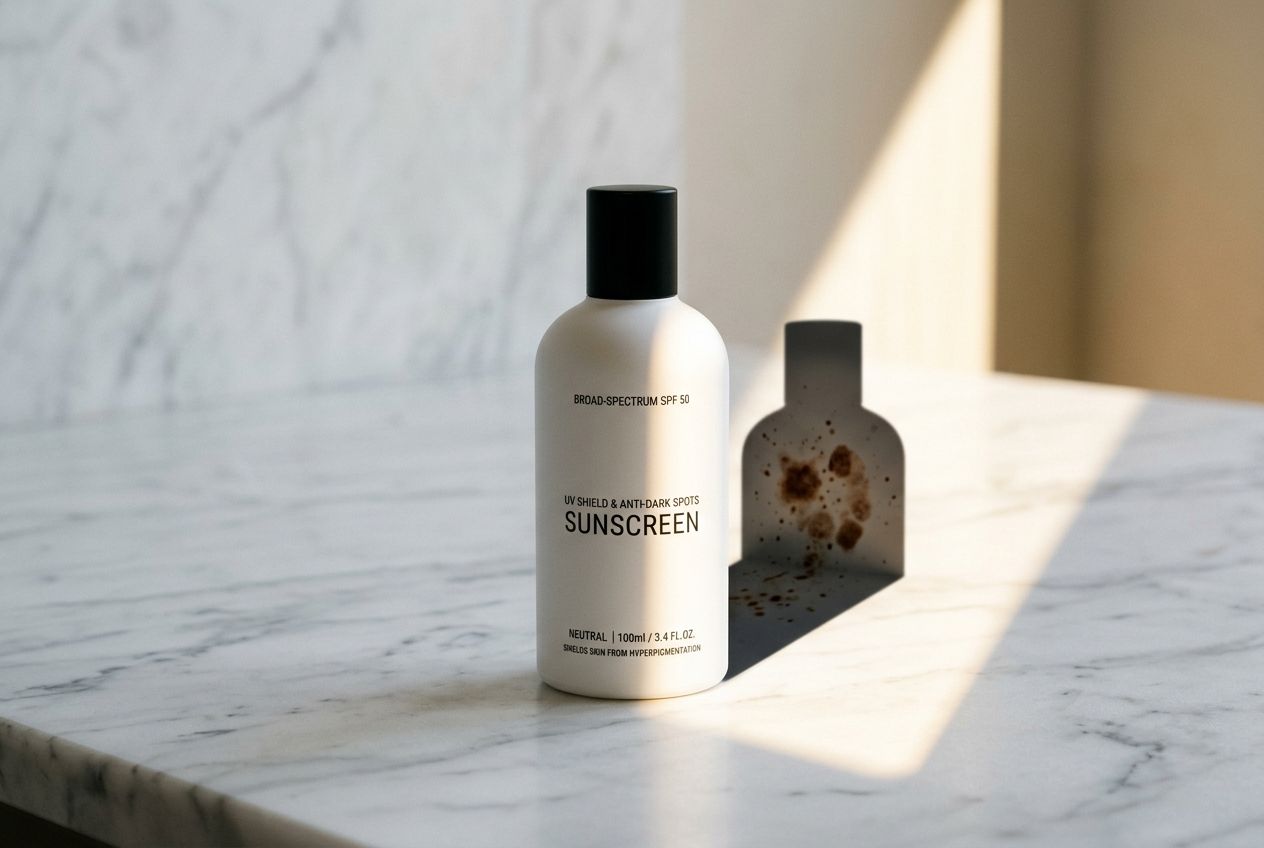
The American Academy of Dermatology identifies sunscreen as the starting point for fading dark spots. Without daily protection, a brightening product has to work against fresh ultraviolet exposure.
Pros and Cons
Both products have a place in skincare, yet neither suits every face. Here are the advantages and limits worth weighing before you buy.
Pros of RoC
- Combines retinol and glycolic acid for a more active anti-ageing approach.
- Can suit people targeting fine lines, uneven skin tone and rough skin texture in one evening step.
- Includes glycerin, dimethicone and squalane to add moisturising support.
- Works well as the main treatment product in a minimal night routine.
- May be a practical over-the-counter step before asking a dermatologist about stronger retinoid options.
Pros of Olay
- Fragrance-free formula is the safer starting point for skin that reacts to scented products.
- Niacinamide, panthenol and humectants make it a useful option for hydration and barrier repair.
- Light Whip texture can suit oily and combination skin that dislikes heavy creams.
- Easy to use under sunscreen and makeup, which makes consistent morning use more realistic.
- Can sit alongside a separate serum or retinoid routine without adding another exfoliating active.
Cons of Both Products
RoC and Olay can both cause problems if they do not match your skin type or routine. Patch testing is a small step that can save you weeks of inflammation and unwanted dark marks.

- RoC can irritate: retinol and glycolic acid may sting, peel or cause dryness, especially if you also use exfoliating acids, benzoyl peroxide or prescription retinoids.
- RoC contains fragrance: avoid it if fragrance has caused a rash or burning sensation for you before.
- Olay may be too light for very dry skin: its airy texture feels comfortable, but some people will still need a richer cream at night.
- Both can trigger breakouts in some users: no moisturiser works for every acne-prone face, so introduce one new product at a time.
- Inflamed skin needs caution: if you have active eczema, rosacea, seborrhoeic dermatitis or persistent acne, speak with a dermatologist before adding multiple new actives.
The American Academy of Dermatology suggests testing a new skincare product on a small area for seven to ten days. Stop if you develop itching, swelling, a rash or persistent burning.
Conclusion
RoC Dark Spot Treatment is the better fit if you want a more active anti-ageing night cream for fine lines, uneven skin tone and skin texture. Its retinol and glycolic acid formula can be effective, but only if your skin tolerates it.
Olay Regenerist Dark Spot Treatment is the more comfortable daily choice for hydrating skincare, mild brightening and barrier repair. It will not replace a stronger retinoid treatment for stubborn marks, yet it is easier to keep using consistently.
Start slowly, patch test, and use sunscreen every morning. That simple routine gives either product its best chance to help.
FAQs
1. Which wins in a RoC vs Olay Regenerist dark spot treatment comparison?
Both brands help, but RoC often acts faster on spots thanks to retinoids, while Olay Regenerist tends to boost brightness and skin texture over time.
2. What active ingredients matter in this honest review?
Look for retinol, niacinamide and vitamin C, they target pigment and texture; stronger options like hydroquinone can work quicker but need care. Check ingredient lists and up to date guidance for safe use.
3. How soon will I see results and what should I do?
Expect visible change in four to twelve weeks with regular use, some people need longer. Patch test first, use daily sunscreen, and keep applying even after spots fade. If you have persistent marks, see a skin specialist for more tests and tailored care.
4. Which option suits sensitive skin or a tight budget?
Pick a low-strength retinoid or a fragrance-free pigmentation cream if skin reacts easily, and choose drugstore ranges if you must watch costs, or try an age-spot serum hyponym for a gentler start.